Table Of Content
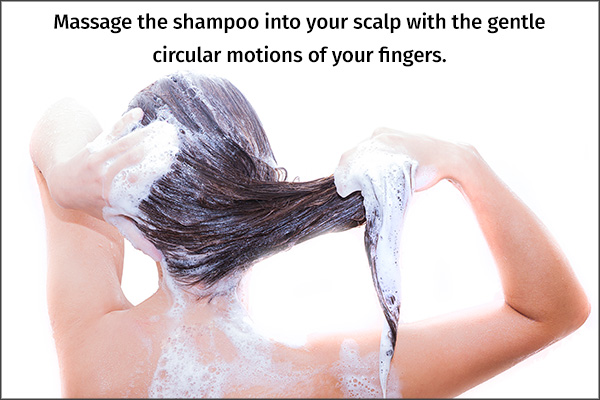
Straight hair is easily coated by sebum, which means it looks greasy much faster. Thick, wavy, or curly hair tends to be dry since the oil doesn’t coat the strands as easily. Sebum is an important part of beautiful, well-defined curls, because curly hair needs more moisture to stay soft and prevent frizzing. Additionally, washing hair frequently using shampoo can help to keep the scalp clean and healthy, which in turn can promote hair growth and reduce the risk of hair thinning. Hair type plays a role in how often a person should wash their hair. For example, those with textured or coily hair should avoid washing more than once a week to prevent damaging their hair.
Why You Need to Wash Your Hair
Shampoo alternatives like baking soda are great at removing dirt and oil, and apple cider vinegar has antimicrobial properties, but Zeichner cautions against using them too often. Baking soda is extremely alkaline and apple cider vinegar is very acidic, so both ingredients can cause irritation. "Mixing the two together may be able to provide a neutral pH product, but it still may actually be harsher on the scalp and the hair than traditionally formulated shampoos," he says. For such a simple act, washing your hair sure can be confusing. Between figuring out how often to wash and keeping track of new product trends, the shampooing process can leave even the most seasoned beauty maven scratching her head. If you have curly hair, you might want to avoid sulfates and silicones, as both of these ingredients can contribute to over-drying and stripping the hair.
How Often Should You Wash Your Hair?
If you have short hair, aim for a dollop of shampoo that’s about the size of a nickel. If you have long hair, you’ll want to squeeze enough shampoo to roughly cover your palm. You also need to make sure you’re applying the correct amount of shampoo for your hair length — not too much (you might not get it all out) and not too little (your hair might not get a thorough cleanse). If you own your home, you might consider getting a water softener for your whole home. If you rent, you can install a water softener shower head, which contains carbon cartridges to remove excess minerals and purify your water in a cost-effective way. You might also want to consider getting a post-wash protectant, especially if you’re prone to frizzy hair, and a detangling product if your hair is highly prone to tangling.
VIRTUE Recovery Shampoo
It’s impossible to know exactly what your “real” hair is supposed to look like – curly, straight, wavy, or some combination of all those textures – when you’ve been using shampoo and conditioner this whole time. Hair that’s been washed with those chemicals has been treated to relax over time, until pretty much even the bounciest hair has been beaten into submission. If you had to carry water for several yards, tens of yards, or even hundreds of yards you would be less inclined to use the water to bathe.
Your quick guide to the cleanest hair you’ve ever had
If you feel the need to wash your hair everyday, you could be using the wrong products for your hair type. Burg explains it further, saying that it's all about keeping our microbiome happy. "Your skin is covered in billions of good bacteria from about 1000 species. These bacteria are helpful, and the collection of them is called your microbiome, which helps to maintain the skin pH," he says.
She says it’s more important to consider your hair type, texture and amount of oil production you usually experience. Dry hair, itching, and persistent flaking or dandruff are all symptoms of an overly dry scalp. But that doesn’t mean we should all banish washing our hair forever. After allowing your natural oils to settle over your hair follicles, your hair is going to naturally untangle itself – and then stay untangled – with just a little bit of persuasion on your end.
OUAI Fine Hair Shampoo
"Women with Afro hair type 3A to 4C should routinely shampoo their hair every two weeks," advises the hairstylist Dionne Smith. "Afro hair types tend to be quite dry and even brittle at times and although our hair produces natural sebum we don't want to be stripping that out too frequently as it only makes the hair even dryer." If you have medium-textured hair, you can wash when you feel like your hair starts to get greasy. "Those with oily hair or dandruff may find that it is important to wash more frequently, while those with dry or thicker hair may not need to do it as often," explains Dr. Garshick. Depending on how oily your scalp is, you can wash straight hair every three days or so.

How Can You Wash Your Hair Daily Without Causing Serious Damage?
We’ve been researching scalp care for 50 years (that’s a lot of heads washed!) and even when you wash hair every day, essential natural oils remain inside your hair and scalp, keeping them moisturized. Some hair types require more frequent washing, like thinner locks. To avoid flat hair, women with thinner hair typically need to cleanse more often. Ladies with fine, thin hair should also try to avoid shampoos containing certain ingredients. Cyclomethicone is a good choice for that type of hair because it evaporates over time,” Romanowski says. If you're dealing with a sensitive scalp or dandruff or psoriasis, you'll want a whole different set of shampoos to wash your hair.
Shampoo Truth
Exactly How Often You Should Be Washing Your Hair, According to Experts - Cosmopolitan
Exactly How Often You Should Be Washing Your Hair, According to Experts.
Posted: Thu, 11 May 2023 07:00:00 GMT [source]
Grey hair follicles produce less oil, which in theory might seem like a good thing, but in practice has negative effects. This oil actually functions as a natural conditioner for your hair, providing nourishment and protection from the elements. It’s not necessary to use shampoo every time you wash your hair, but it depends on the oiliness of your scalp and hair. Though this can help the hair retain a clean look, using harsh shampoos can dry out the hair and the scalp and cause damage and irritation. Many people include hair washing as part of their regular hygiene routine. Because the texture and condition of your hair plays a significant role in it, but so too does your scalp health.
While everyone can benefit from conditioner, people with dry hair should use conditioner every time they wash their hair. Pay special attention to the ends of your hair when you use conditioner. Despite what most people think, applying conditioner to your scalp can also be beneficial if you have a dry scalp or curly hair. No matter what, only you can find the right balance of cleanliness and moisture for your hair. Washing hair too often with harsh shampoos can strip away the natural oils and cause dryness and breakage. However, using a mild shampoo and conditioner and washing hair frequently can actually be beneficial for maintaining healthy hair.
She says as long as they don’t have scalp problems that seems OK. “In particular, African Americans have extremely dry hair, and if they wash too often, their hair can become dry and brittle, which can lead to breakage,” Dr. Khetarpal says. Top right into the shower, crank the water up just as warm as you like it, and all allow the warm water to “melt” the extra oil and distribute it effortlessly across your hair and scalp. Some people opt for medium browns, others go with dramatic platinum blonde colors, and still others prefer dark black.
That’s why people with rosacea, eczema, or contact dermatitis may want to avoid shampoos with sulfates. However, there are some guidelines to consider when it comes time to wash your hair. Another option is to use a clarifying shampoo weekly to help remove minerals and other buildup from your hair. People with more sensitive or eczema-prone skin may want to look for shampoos and conditioners that are free of ingredients that could irritate the skin, such as dyes, fragrances, and certain preservatives, says Dr. Camp. To find out more, we spoke to dermatologist Blair Murphy-Rose, and trichologist Dominic Burg who shed some light on how often you should actually be washing your hair. How often someone washes their hair is a personal decision and not one that is likely to affect overall health.

The decision about how frequently to wash the hair is a cosmetic one based on personal preference. But if it’s overused or if you work it all the way down the length of your hair, shampoo can damage your hair. Shampoo strips the important oils the scalp produces and can leave the hair and scalp too dry.
You’ll also want to avoid heat-styling as much as possible—so no blow-drying after your daily showers—or you’ll strip and damage your strands, leading to dull, brittle hair over time. According to Chiara Butler, Beauty, Health & Sustainability Lab Reviews Analyst at the Good Housekeeping Institute, there are studies that show shampooing daily can actually be beneficial to the hair and scalp. "Two studies conducted on East Asian populations showed that markers of scalp health improved with a daily washing regimen," Butler says. Conditioner is one of the most important steps for healthy hair, according to a report from Johns Hopkins.




No comments:
Post a Comment